
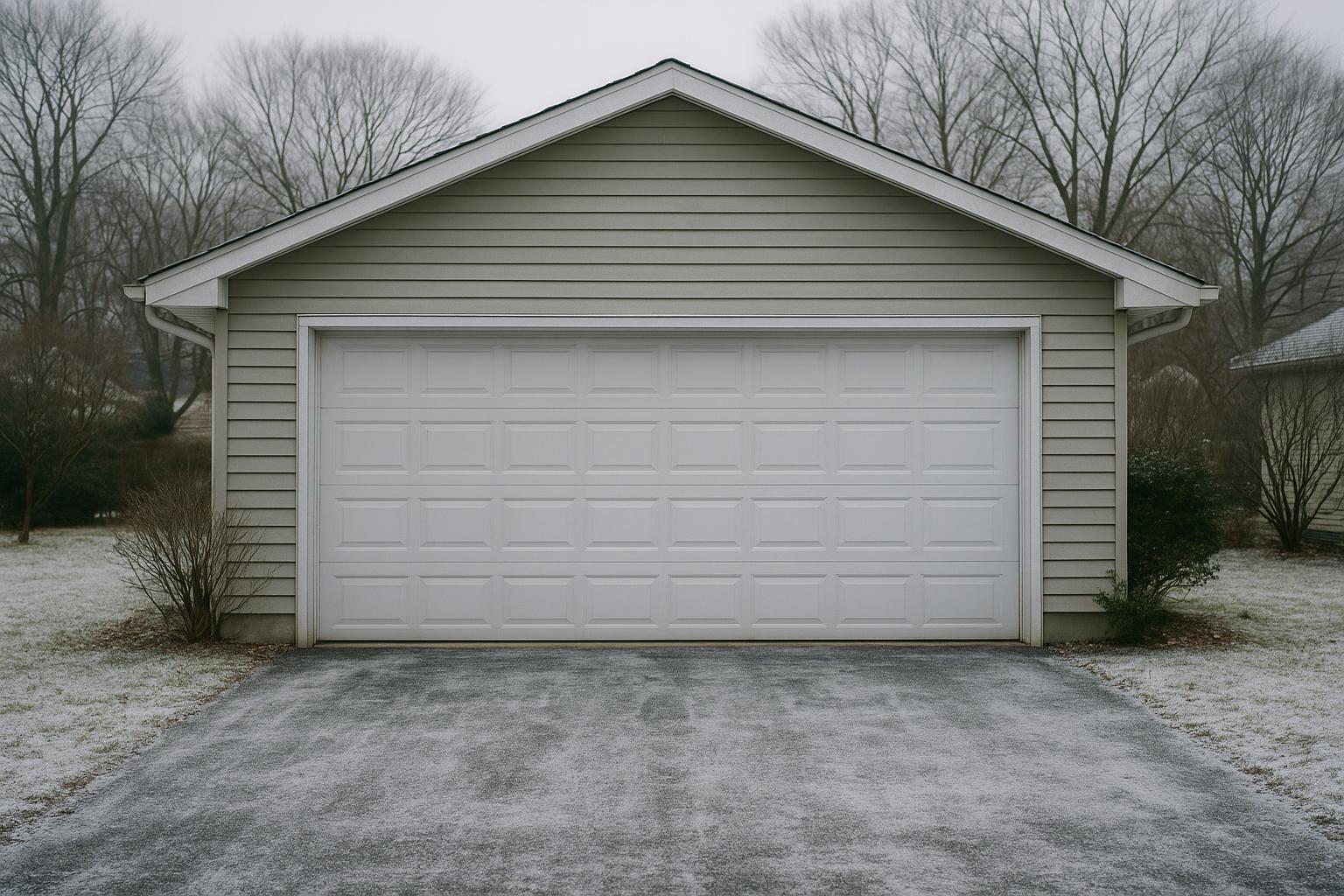
Winter Is Tough on Garage Doors in Plainview
If you've lived in Plainview or anywhere on Long Island for more than a year, you know our winters can be unpredictable. One week it's mild, and the next we're dealing with freezing temperatures, ice, and biting wind. While most homeowners prepare their heating systems and insulation for the cold months, the garage door is often overlooked — and that's a mistake.
Your garage door is the largest moving component of your home. It has metal parts, rubber seals, and electronic systems that all respond to temperature changes. When winter hits, these components can malfunction, wear out faster, or fail entirely. Understanding how cold weather affects your garage door can help you avoid unexpected breakdowns and expensive emergency repairs.
Metal Contracts in the Cold — And That Matters
One of the most basic principles of physics plays a big role in garage door performance during winter: metal contracts when it gets cold. Your garage door system relies on metal springs, tracks, hinges, and rollers. When temperatures drop, these parts shrink slightly, which can cause a few noticeable issues:
- Tighter tracks: As the metal tracks contract, rollers may not glide as smoothly. You might hear squeaking, grinding, or notice the door moving unevenly.
- Stiffer springs: Torsion and extension springs lose some flexibility in freezing weather. This makes them work harder to lift the door, which increases wear and raises the risk of a spring snapping.
- Brittle hardware: Hinges, brackets, and other small metal components become more brittle in extreme cold, making them more susceptible to cracking or breaking.
If your garage door sounds different or feels sluggish on a cold morning, these contracting metal parts are likely the reason.
Garage Door Springs Are Especially Vulnerable
Springs are the workhorses of your garage door system. They bear the full weight of the door every time it opens and closes. In cold weather, the steel in your springs becomes less flexible and more prone to snapping. A broken spring is one of the most common garage door emergencies we handle for homeowners in Plainview and nearby communities like Old Bethpage and Hicksville during the winter months.
Signs that your springs are struggling in the cold include:
- The door feels heavier than usual when you try to lift it manually
- The opener strains or hesitates when activating
- You hear a loud bang from the garage (this often means a spring has already broken)
- The door opens only a few inches before stopping
If you notice any of these warning signs, it's important to call a professional rather than attempting a DIY fix. Garage door springs are under extreme tension and can cause serious injury if handled improperly.
Your Opener Works Harder in Winter
Garage door openers are designed to lift a specific amount of weight. When cold weather causes springs to stiffen and lubricant to thicken, the opener has to compensate by working harder. Over time, this extra strain can burn out the motor, strip gears, or cause the opener to overheat and shut down.
Older opener models are especially vulnerable. If your opener is more than 10-15 years old and you've noticed it struggling during cold snaps, it may be time to consider a replacement before it fails completely — ideally before the coldest part of winter arrives.
Quick Tip for Opener Maintenance
Check your opener's force settings as temperatures drop. Sometimes a minor adjustment is all that's needed to help the motor cope with the increased resistance. Your owner's manual should have instructions, but if you're unsure, a professional maintenance visit can take care of this quickly.
Weatherstripping and Seals Crack and Shrink
The rubber weatherstripping along the bottom and sides of your garage door serves a critical purpose: it keeps cold air, moisture, snow, and pests out of your garage. Unfortunately, rubber and vinyl seals become stiff and brittle in freezing temperatures. Over time, they can crack, shrink, or pull away from the door entirely.
When your weatherstripping fails, you'll notice:
- Cold drafts coming into the garage
- Snow or water seeping under the door
- Higher energy bills if your garage is attached to your home
- Ice forming on the garage floor near the door
Replacing worn weatherstripping is one of the most affordable and impactful maintenance tasks you can do before winter. For many Plainview homeowners with attached garages, good seals can make a real difference in home heating efficiency.
Ice Can Freeze Your Door to the Ground
This is a problem that catches many homeowners off guard. After a freezing rain or when melting snow refreezes overnight, the bottom of your garage door can literally freeze to the ground. If you hit the opener button without realizing the door is frozen, you risk damaging the weatherstripping, straining the opener motor, or even pulling the door off its tracks.
What to Do If Your Door Is Frozen Shut
- Do not repeatedly press the opener button — this can burn out the motor or damage the door.
- Try gently tapping along the bottom of the door with a rubber mallet to break the ice seal.
- Use a heat gun or hair dryer along the bottom edge to melt the ice gradually.
- Apply a de-icing product to the area where the door meets the ground.
- Once the door is free, clear away any standing water to prevent refreezing.
To prevent this from happening in the first place, keep the area where the door meets the ground clear of snow and water. Some homeowners apply a thin layer of silicone-based lubricant along the bottom seal to help prevent ice adhesion.
Lubrication Thickens and Stops Working
The lubricant on your springs, rollers, hinges, and tracks can thicken or become gummy in cold weather, especially if a standard grease was used instead of a product rated for low temperatures. When lubricant fails, you'll hear more noise from the door and experience rougher operation.
Before winter sets in, it's a good idea to apply a silicone-based or lithium-based garage door lubricant to all moving parts. These formulas are designed to perform in cold conditions and won't thicken the way conventional grease does. A quick lubrication session takes about 10 minutes and can prevent a lot of wear and tear over the winter.
A Pre-Winter Maintenance Checklist for Homeowners
Taking a proactive approach to winter garage door care can save you from dealing with a breakdown on the coldest day of the year. Here's a simple checklist to follow before temperatures drop:
- Inspect springs and cables for signs of wear, rust, or fraying
- Lubricate all moving parts with a cold-weather-rated product
- Check weatherstripping and replace it if cracked or stiff
- Test the balance of the door by disconnecting the opener and lifting manually — it should stay in place when halfway open
- Clear the area around the bottom of the door to prevent ice buildup
- Test the opener and listen for unusual sounds or hesitation
- Schedule a professional tune-up if it's been more than a year since your last service
Don't Wait for a Breakdown — Get Ahead of Winter
At Plainview Garage Door Solutions, we see a spike in emergency calls every winter from homeowners in Plainview, Syosset, Woodbury, and Bethpage dealing with broken springs, frozen doors, and failed openers. Most of these problems could have been prevented with a little preparation.
Whether you need a quick maintenance visit, a spring replacement, or you're considering upgrading to an insulated garage door before the cold really sets in, we're here to help. We show up on time, explain what's going on in plain language, and get your door working right — no matter what the thermometer says outside.
Give us a call or reach out online to schedule your pre-winter garage door inspection. A small investment now can save you a lot of hassle and expense when January rolls around.